
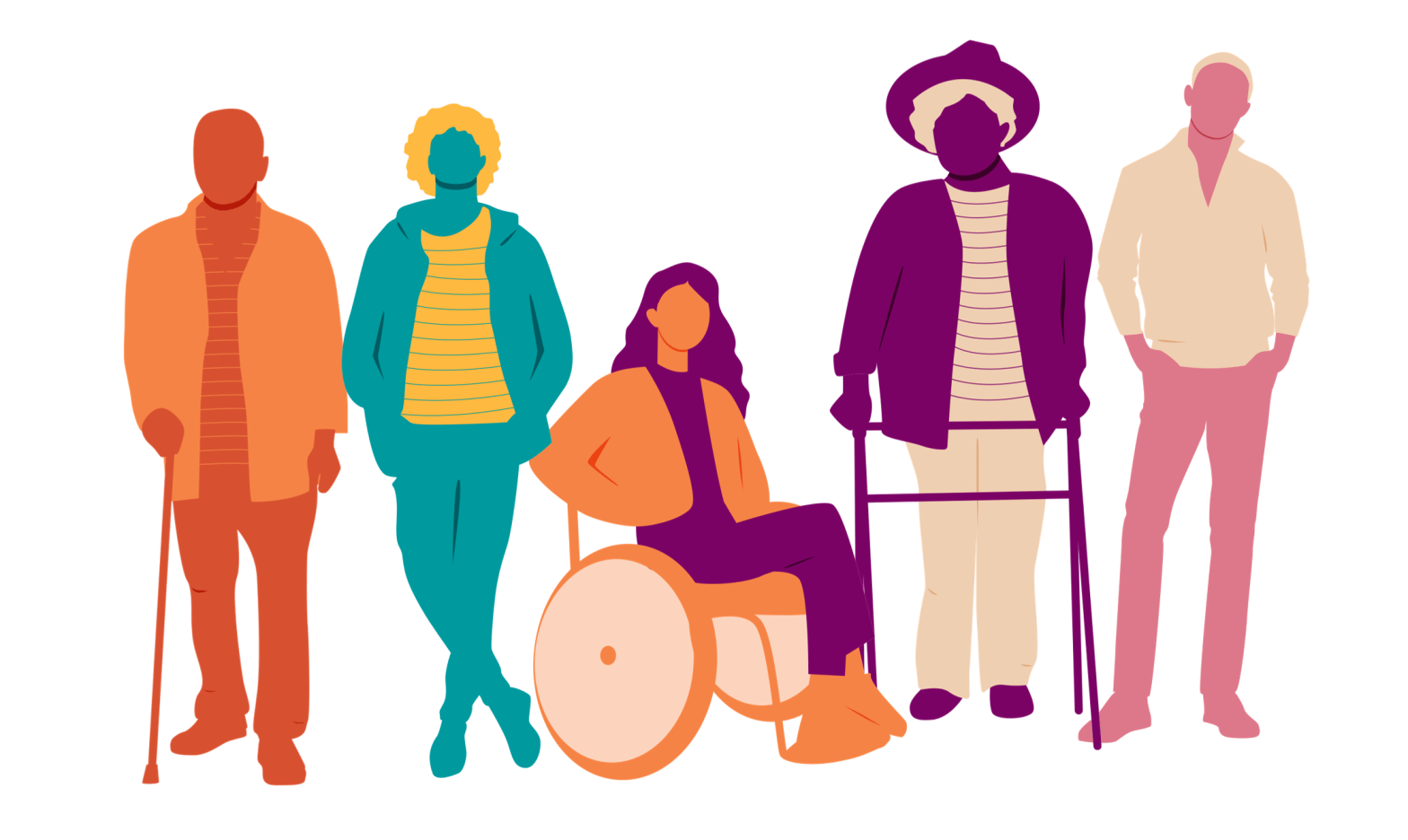
The Equality Party urges the UK Government to rethink its proposed cuts to Disability Benefits and to address the issues which have led to a large increase in claimants since 2020, instead of pushing disabled people into a “sink or swim” situation.
The increase in claims due to mental health conditions tells us that the mental health of our country is suffering. This is deeply concerning. Disabled people have already faced severe hardship as a result of years of Tory austerity.[1] They are more likely to be living in poverty[2], are more likely to die by suicide[3], and figures by Scope suggest that disabled households face average extra costs of £1,067 a month (referred to as the “Disability Price Tag”)[4]. It is unsurprising that this, alongside the devastation of the pandemic, has resulted in increased benefit claims. Pushing already vulnerable people further into poverty or forcing them into unsuitable and unsustainable work is not the way to address this. It will lead to further costs as people become sicker and less able to work, placing more strain on the health and social care systems.
The tone of the Government’s recent announcements frames ill health as a choice, implying that disabled people’s existence is a costly problem for society. This rhetoric is stigmatising and unjust. The conflation of Personal Independence Payments with out of work benefits ignores the fact that many PIP claimants are already in work, and that many of them are only well enough to be able to work because they are using their PIP allowance to fund essential health and social care services. Without this support, many would be more unwell, unable to work, pay taxes, employ others and contribute to society.
We would like to see a world where Disabled people are acknowledged as valued members of their communities by those in power. We acknowledge that Universal Credit needs reforming, to allow people who are able to return to work to do so gradually and without penalty, but we urge Ministers to do more to support people in this situation rather than penalising them. This will have long term benefits for all; we are likely to have more Disabled people in the workplace as the population ages and people are required to work longer.
We would like to see the Government:
- Reduce benefit claims by improving the mental health of the nation, investing in mental health services including sustainable, long-term treatment options, with a particular urgent focus on specialist services for neurodivergent people and those with complex mental health issues (which are currently severely lacking).
- Address NHS waiting lists to reduce waiting times for diagnosis, treatment and preventative services, to improve outcomes for those with long term conditions and to reduce the need for Disabled people to spend their PIP allowance on essential healthcare.
- Support innovative research and treatments for chronic illnesses such as Long Covid and ME/CFS, many of which disproportionately affect women[5] and are a barrier not only to work, but also to participating in society and often to living fulfilling lives.
- Work with businesses and employers to widen employment opportunities for Disabled people, addressing barriers such as meeting access needs, availability of flexible working opportunities and uninformed assumptions about Disabled people’s capabilities in hiring and recruitment.
- Address workplace disability discrimination, empowering Disabled people to challenge reasonable adjustment refusals and investigating instances of managed dismissal, bringing in further legislation to tackle this issue if necessary.
- Reduce waiting times for Access to Work funding, simplify the processes for applying and claiming, and lead an awareness campaign helping Disabled people and employers to understand what help is available to them.
- Focus on societal barriers which limit Disabled people’s ability to work, including access to housing, transport and social care services.
- Ensure continued separation of Personal Independence Payments from Work Capability Assessments and other means tested benefits, so that PIP can continue to support Disabled people to live full and independent lives regardless of their income.
- Reverse the damage done by a narrative that encourages society to view Disabled people as a burden as opposed to valued members of their communities who deserve to live safe and meaningful lives.
[1] How government policies drive the structural inequalities faced by disabled people in the UK – British Politics and Policy at LSE
[2] From disability to destitution | Joseph Rowntree Foundation
[3] Disabled people far more likely to die by suicide than non-disabled people | Disability Rights UK
[4] Disability Price Tag 2024 | Disability charity Scope UK
[5] About 2m people have long Covid in England and Scotland, figures show | Long Covid | The Guardian
Other resource: Rising ill-health and economic inactivity because of long-term sickness, UK – Office for National Statistics
 The Equality Party